Storm Drain & Drainage System Installation
Complete Storm Drain and Drainage System Installation Services in Northwest Florida
Proper storm drain and drainage installation is essential in regions with heavy rainfall. These systems channel excess water away from buildings and roads, reduce flooding risk, and protect infrastructure. Below we outline common techniques, materials, permitting considerations, and maintenance best practices so property owners and developers can make informed choices. We also highlight NOBL Sitework’s experience delivering dependable stormwater solutions across Northwest Florida.
Techniques and Systems Used
Storm drain design adapts to site conditions and project goals. Common approaches include retention and detention ponds, underground piping networks, and vegetated swales. Retention ponds hold water long-term and release it slowly; detention ponds store runoff temporarily during storms. Underground systems move water away from developed areas to minimize surface flooding. Bioswales, planted channels that slow and filter runoff, improve water quality while managing flow.
NOBL Sitework provides tailored storm drain installations for residential, commercial, and industrial projects, designing systems to match each site’s topography, soil, and drainage requirements.
Materials Used

The right materials determine a system’s durability and performance. Typical choices include:
| Material | Specification | Application |
|---|---|---|
| High-Density Polyethylene (HDPE) | Lightweight, flexible, corrosion-resistant | Common for pipes and fittings where ease of installation and long life are priorities |
| Ductile Iron Pipes | Robust, corrosion-resistant, high strength | Used in high-pressure or heavy-load situations |
| Gravel and Sand | Natural, permeable materials | Used for backfill, bedding, and filtration in trenches and infiltration systems |
Selecting materials is a site-specific decision driven by load, soil chemistry, hydraulic needs, and lifecycle cost. Proper choices minimize repairs and extend system life.
Regulatory Considerations
Storm drain projects must meet local and state permitting requirements. Plans typically need to follow Best Management Practices (BMPs) and municipal ordinances that protect water quality and control runoff. Early coordination with permitting authorities and a clear understanding of applicable standards help avoid delays, fines, and redesigns.
Maintenance Practices
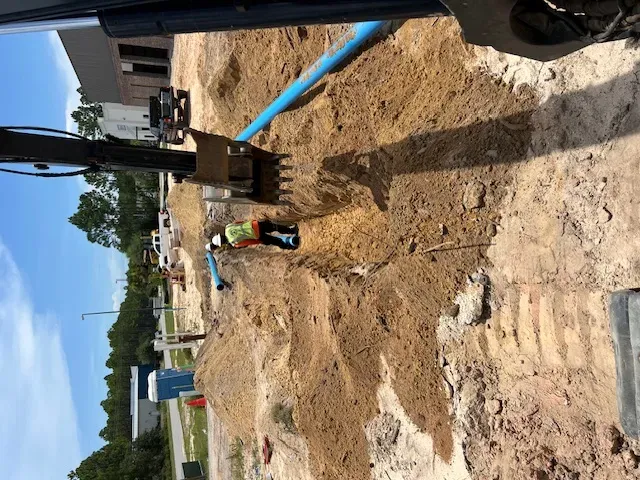
Routine upkeep keeps systems working as designed. Effective maintenance includes:
- Routine Inspections: Scheduled checks to spot blockages, erosion, or damaged components early.
- Vegetation Management: Trimming and removing overgrowth that can clog channels and inlets.
- Sediment Removal: Periodic cleaning of basins and pipes to restore flow capacity.
NOBL Sitework offers inspection and maintenance services to ensure drainage assets remain functional and compliant over time.
What Are the Key Components of Storm Drain and Drainage Systems?
Typical drainage systems include several coordinated elements:
- Catch Basins: Collect water, debris, and sediment at inlets before water enters the pipe network.
- Storm Drains and Pipes: Convey runoff safely away from developed areas to outfalls or detention facilities.
- Retention and Detention Ponds: Control flow rates and improve water quality through storage and settling.
Knowing these components helps when planning a system that prevents flooding and protects nearby waterways.
Which Drainage Pipe Types and Materials Are Most Effective?
Pipe selection depends on hydraulics, loading, soil conditions, and budget. HDPE is popular for its corrosion resistance, flexibility, and ease of installation. Ductile iron and concrete pipes offer structural strength for heavy loads and long runs. Each material has trade-offs in upfront cost, installation effort, and long-term maintenance.
Comparing HDPE and concrete often shows HDPE’s advantages in lower lifecycle maintenance and faster installation, while concrete remains a strong choice where rigid structural capacity is required.
HDPE vs. Concrete Pipes for Storm Drainage
Over the lifecycle, HDPE can be more cost-effective than reinforced concrete pipe due to lower maintenance and quicker installation. Short-term unit prices for HDPE may be higher in some markets because of limited local supply and awareness, but reduced labor and installation time often offset that difference.
Value analysis on the utilization of high-density polyethylene (HDPE) pipes as an alternative to the conventional reinforced concrete pipes, KE Garcia, 2023
How Do Catch Basins and French Drain Systems Function?
Catch basins trap debris and sediment at surface inlets, protecting downstream pipes and reducing clogging. French drains consist of a perforated pipe set in a gravel-filled trench; they collect and redirect subsurface or surface water away from foundations and low spots to prevent pooling and moisture damage.
How Is Storm Drain Installation Executed for Optimal Stormwater Management?
Installation starts with a site assessment to map flows, soil conditions, and constraints. From that analysis we develop a design, then proceed with trenching, pipe laying, bedding, backfill, and connections to catch basins, manholes, or ponds. Proper grading, compaction, and inspection at each stage ensure the system performs as intended.
What Are the Steps in Stormwater Piping and Drainage Trenching Services?
Typical project phases are:
- Planning and Design: Hydrologic analysis and a drainage plan tailored to the site.
- Trenching and Excavation: Safe, accurately graded trenches for bedding and pipes.
- Final Connections and Testing: Tie-ins, pressure or flow checks, and final inspections to verify functionality.
Following these steps reduces rework and keeps projects on schedule.
How Does Site Development and Grading Support Effective Drainage?
Grading sets how water moves across a site. Proper slopes direct runoff toward inlets or collection areas while minimizing erosion. Incorporating permeable surfaces, swales, and retention areas reduces peak flows and helps meet stormwater requirements.
What Maintenance and Repair Practices Ensure Long-Term Drainage System Performance?
To sustain performance, prioritize:
- Regular Inspections: Catch problems early before they become costly failures.
- Sediment Removal: Keep channels, basins, and pipes clear to restore capacity.
- Proactive Repairs: Address cracks, joint issues, or erosion promptly to limit damage.
When Is Culvert Pipe Installation Necessary for Site Drainage?
Culverts are needed where water must safely pass beneath roads, driveways, or trails, and in low-lying corridors that funnel runoff. Properly sized culverts prevent roadway undermining and reduce erosion along flow paths.
What Regulatory Compliance Requirements Affect Storm Drain Installation in Northwest Florida?
Projects in this region must meet local permitting, state environmental rules, and BMP standards. This includes erosion and sediment control during construction and long-term measures to protect water quality. Early permitting review and documentation streamlines approval and reduces risk.
Which Florida Stormwater Management Regulations Must Be Followed?
Florida’s stormwater rules set design standards, treatment requirements, and BMPs to limit pollutant loads and manage runoff volume. Local jurisdictions may add specific technical criteria, so coordinate with county or municipal stormwater offices for project-specific guidance.
How Do Compliance Measures Influence Drainage System Design and Installation?
Compliance shapes material choices, system layout, and maintenance plans. Regulations influence detention sizing, treatment options, and inspection schedules. Designing with compliance in mind avoids retrofit costs and supports long-term environmental performance.
Ready To Install a Storm Drain or Drainage System
Implementing a robust storm drain and drainage system is crucial for safeguarding properties against flooding and ensuring effective water management. By understanding the techniques, materials, and regulatory requirements, property owners can make informed decisions that enhance infrastructure longevity and performance. Regular maintenance and compliance with local regulations further reinforce the value of these systems in protecting the environment. Discover how NOBL Sitework can assist you in achieving optimal drainage solutions tailored to your needs today.